
U.S.-based cybersecurity firm Syteca Inc. took center stage at this year’s Swiss Cyber Security Days, presenting its unified approach to privileged access management and identity threat detection as organizations across Europe confront escalating digital security risks.
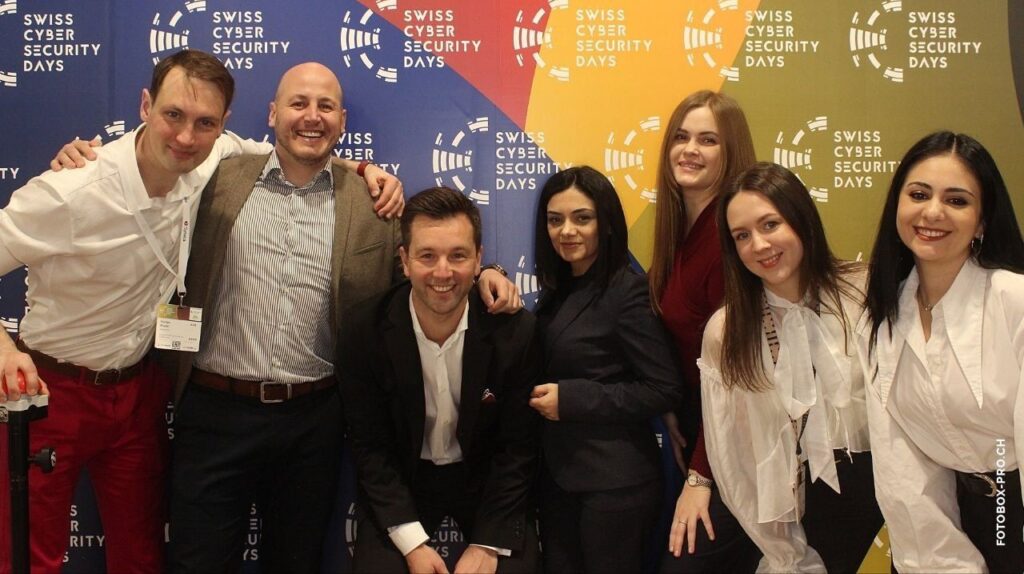
The two-day event, held Feb. 17–18 at Bern Expo, brought together government officials, business leaders, researchers and technology experts under the theme “Digital Sovereignty.” Recognized as Switzerland’s leading dialogue and business platform for cybersecurity, the conference featured 90 exhibitors and multiple keynote and technical sessions aimed at bridging gaps between research, policy and operational security.
Among the global participants was Syteca headquartered in Waltham, Massachusetts, which used the forum to demonstrate how visibility and control over user activity can strengthen organizational autonomy in an increasingly complex cyber landscape.
“In today’s environment, identity has effectively become the new perimeter,” said Yevhen Zhurer, Syteca’s head of business development, during a presentation on the conference’s Best Practice Stage. “Organizations must move beyond basic access controls and adopt a converged strategy that combines privileged access management with real-time identity threat detection.”
Zhurer’s session focused on what he described as “identity resilience” — a framework designed to give enterprises and public institutions continuous oversight of user behavior, particularly those with elevated privileges. He emphasized that safeguarding critical infrastructure requires not only restricting access but also maintaining forensic-level visibility into user sessions to detect suspicious activity before it escalates.
Swiss Cyber Security Days is widely regarded as the country’s largest cybersecurity expo, offering two primary forums for discussion: the Main Stage, which features high-level policy and strategic panels, and the Tech Stage, where security professionals explore technical innovations. The Best Practice Stage, where Syteca presented, caters to IT managers, public authorities and enterprises seeking practical implementation strategies.
Syteca’s platform is designed to address risks originating inside organizational perimeters — an area of growing concern as insider threats and compromised credentials account for a significant share of cyber incidents worldwide. The company’s integrated cybersecurity suite combines advanced user activity monitoring (UAM) with privileged access management (PAM) and identity threat detection and response (ITDR).
By unifying these capabilities, Syteca aims to provide organizations with autonomous control over identities, access pathways and sensitive data. Company representatives said the platform helps detect anomalous behavior in real time, record session activity for investigative purposes and enforce least-privilege policies without adding operational complexity.
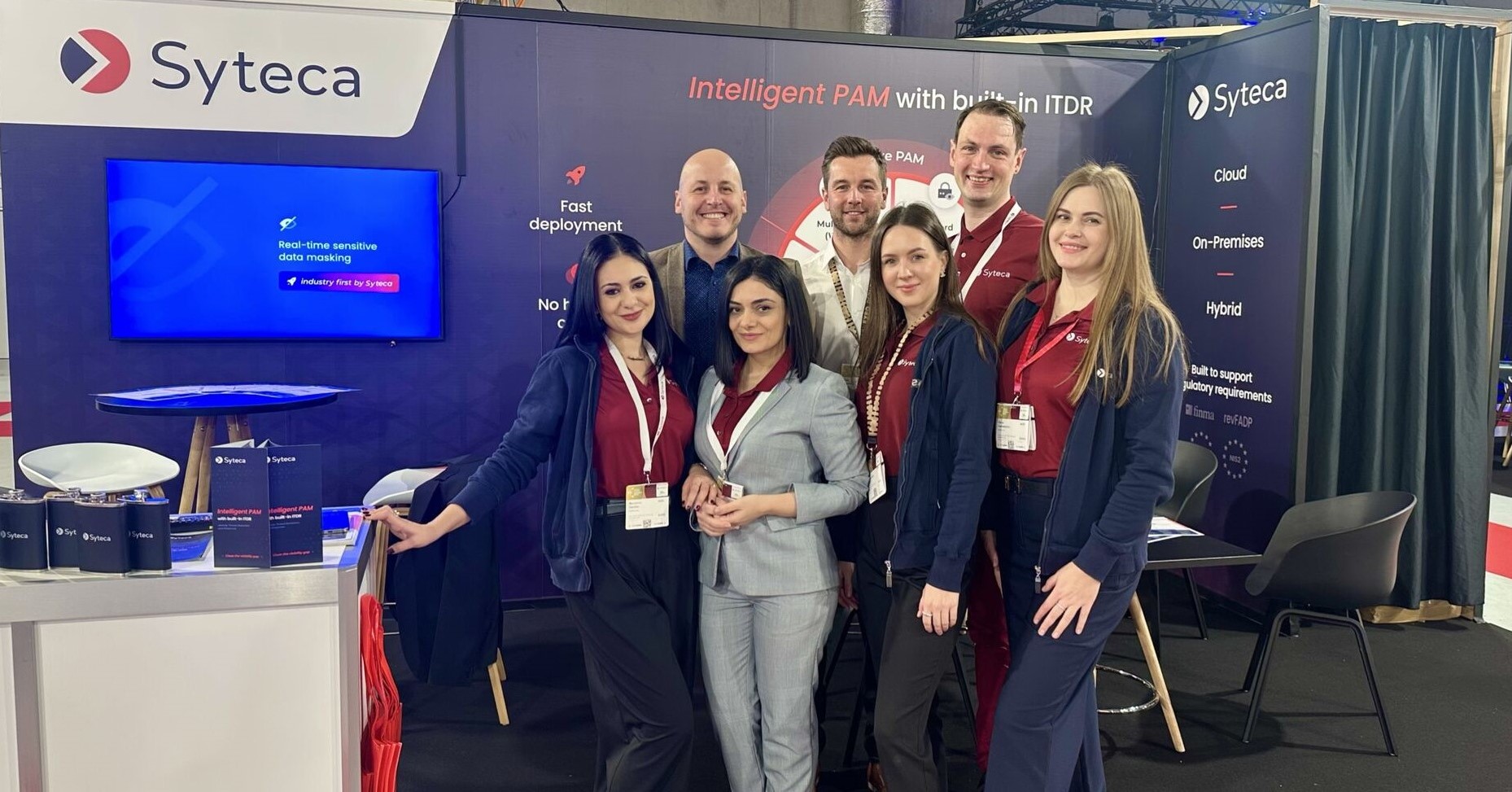
At Hall 2.2, Stand F06, Syteca conducted live demonstrations illustrating how security teams can monitor user sessions across systems, receive automated alerts on unusual behavior and respond swiftly to mitigate risk. The booth attracted IT professionals from public agencies, financial institutions and manufacturing firms seeking practical solutions amid tightening regulatory requirements and heightened geopolitical tensions.
More than 1,500 organizations worldwide currently use Syteca’s technology, according to company officials. Its client base spans industries including healthcare, finance, manufacturing and government services, reflecting the broad applicability of insider-focused security controls.
The company’s emphasis on digital sovereignty resonated with conference organizers’ broader objectives. Swiss Cyber Security Days positions itself as a forum for strengthening national resilience by connecting technological innovation with policy dialogue and business implementation. This year’s discussions highlighted the need for nations and enterprises alike to maintain control over digital infrastructure while remaining interconnected globally.
Security experts at the event noted that as organizations accelerate digital transformation initiatives, traditional perimeter-based defenses are increasingly insufficient. Cloud adoption, remote work and third-party integrations have expanded attack surfaces, making identity governance and activity monitoring critical components of modern cybersecurity strategy.
Syteca’s messaging aligned with that shift. Zhurer underscored that building sovereign digital ecosystems requires continuous visibility rather than one-time authentication. “True sovereignty starts with understanding who is accessing what, when and how,” he said, outlining strategies for Swiss enterprises to strengthen oversight of privileged accounts and reduce exposure to insider-driven breaches.
Beyond its formal presentation, Syteca representatives engaged with attendees to discuss implementation pathways and post-conference support options. Company officials said their objective was not only to showcase technology but to provide actionable frameworks that organizations can deploy immediately to enhance resilience.
As cyber threats grow in sophistication and frequency, industry gatherings such as Swiss Cyber Security Days are increasingly viewed as vital platforms for collaboration and innovation. For Syteca Inc., participation in the Bern event underscored its ambitions to expand its European footprint while advancing what it describes as a practical, manageable approach to complex cybersecurity challenges.
With identity and access security rising to the forefront of enterprise risk management, Syteca’s unified PAM and ITDR strategy positions the company as a contender in the global effort to secure critical infrastructure in what many experts call the “new frontier” of digital defense.
For more news, reports and insights on emerging technologies, including AI, robotics, cybersecurity, blockchain, gaming and the evolving gig economy, visit the home page of The Gignomist.