
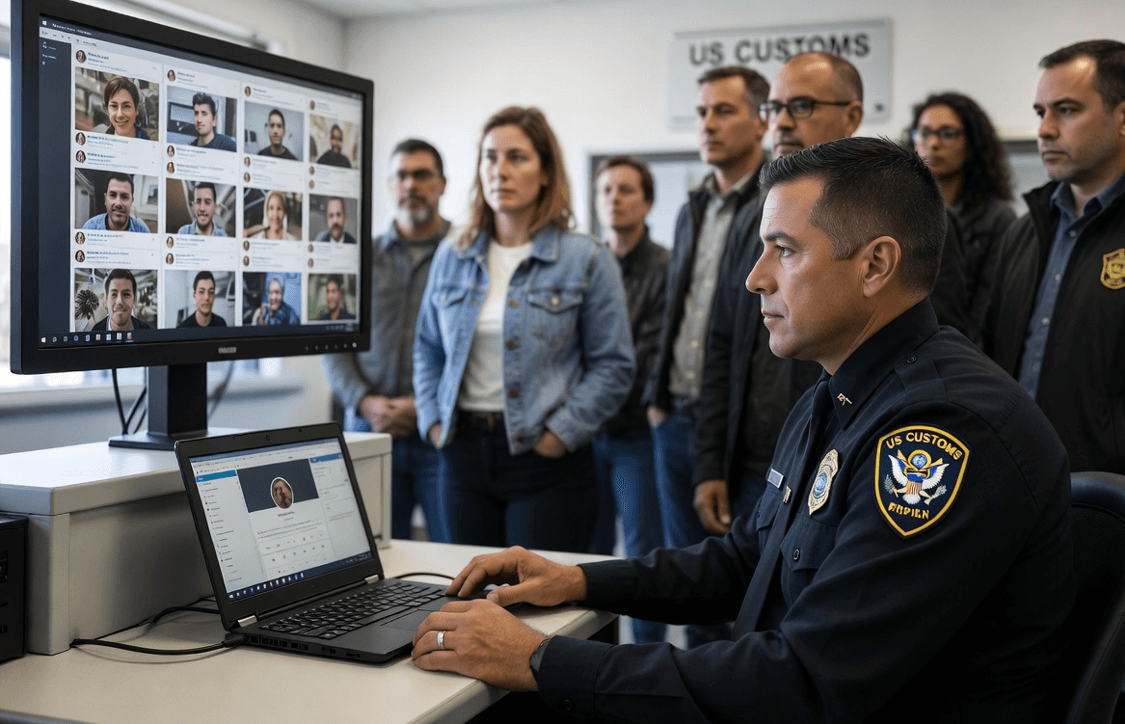
The U.S. Customs and Border Protection has proposed requiring tourists from 40 visa-waiver countries to show all social media accounts used in the past five years as part of the Electronic System for Travel Authorization (ESTA) process.
The proposal, published for public comment, would also mandate that applicants temporarily make their social media profiles public and provide phone numbers used in the last five years and email addresses used in the last 10 years.
The rule would apply to citizens of the 40 countries in the Visa Waiver Program, including Australia, France, Germany, Italy, Japan, Spain, United Kingdom, Ireland, South Korea, New Zealand and several other countries across all continents.
Canadians and Mexicans, who account for nearly half of all foreign visitors to the U.S., would be exempt because they do not need ESTA or a visa for short tourist or business trips.
Why the U.S. Government Wants Foreign Visitors to Disclose Their Social Media Accounts?
CBP cited a January executive order titled “Protecting the United States From Foreign Terrorists and Other National Security and Public Safety Threats” as the basis for the proposal. The agency said the additional vetting is needed to identify potential national security or public safety risks.
The proposal does not specify what content would trigger a denial, only that omitting any social media handle could result in rejection of current and future visa or ESTA applications.
Potential Impact on Processing Times and Costs
CBP estimates the new requirements would add 5.6 million officer hours annually — equivalent to roughly 3,000 full-time positions. Current ESTA applications cost $40 and are usually approved within 72 hours. The agency acknowledged the changes could significantly increase wait times.
Travelers Already Pushing Back
Some international visitors have said the proposal is making them rethink trips to the United States.
Australian soccer fans planning to attend future events told The Guardian the rules were “horrifying” and prompted them to cancel plans. As of August 2025, overall foreign visits to the U.S. were down 3% compared with the same period in 2024, according to the National Travel and Tourism Office.
President Trump, when asked whether the proposal could hurt tourism, replied: “No. We’re doing so well. We want to make sure we’re not letting the wrong people enter our country.”
Current Status: Still Just a Proposal
A CBP spokesperson stressed that no changes are in effect yet.
“Nothing has changed on this front for those coming to the United States [currently],” the spokesperson told the BBC. “This is not a final rule; it is simply the first step in starting a discussion.”
The public comment period is open, and a final decision has not been announced.
Important Caution for Future U.S. Visitors and International Students
If this proposal becomes law, anything you have posted — or even liked or shared — on social media in the past five years could be reviewed by U.S. officials. Students planning to study in the U.S. and tourists from visa-waiver countries should immediately:
- Review and clean up old posts that could be misinterpreted
- Consider using separate, professional accounts for future applications
- Avoid posting political, religious, or controversial content that might raise red flags
- Be prepared to make profiles temporarily public during the application process
Even jokes, memes, or old content can potentially be used against an application. Think twice before you post — your future travel or study plans in the United States may depend on it.
For more similar news and reports go to the home page of The Gignomist