

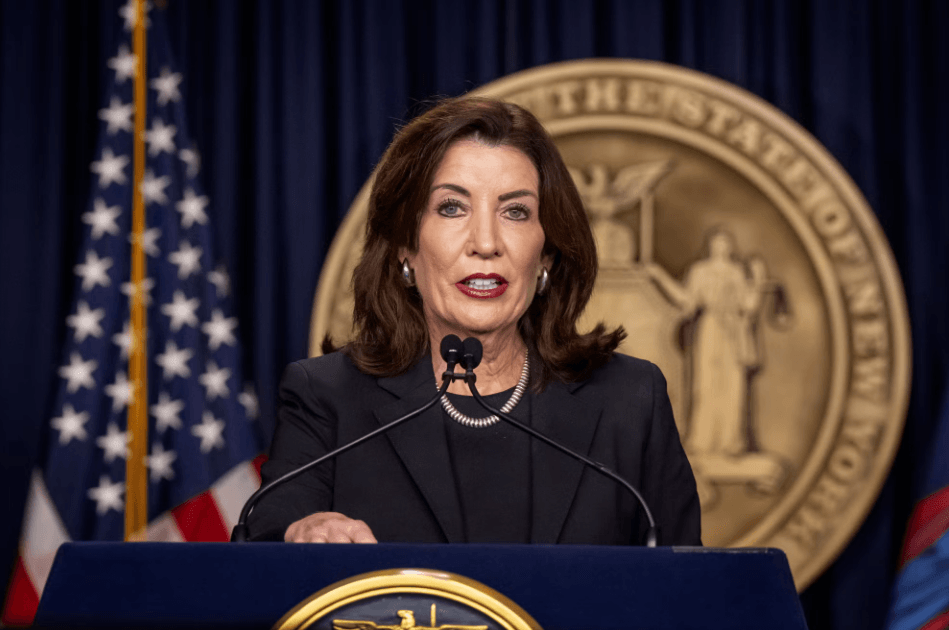
New York Governor, Kathy Hochul has signed landmark legislation imposing new safety and transparency requirements on powerful artificial intelligence (AI) systems, marking a major step in state-level oversight of emerging technology.
The law, known as the Responsible AI Safety and Education Act, or RAISE Act, took effect immediately and places New York alongside California at the forefront of AI regulation. It applies to developers of so-called frontier AI models, including large, resource-intensive systems, and requires them to publicly disclose safety testing practices and report serious incidents that could cause significant harm.
Under the act, companies must notify state authorities within 72 hours of identifying a critical safety issue. A new oversight office within the state Department of Financial Services will monitor compliance and publish annual reports on AI development and safety standards.
Supporters said the legislation addresses growing concerns about the rapid expansion of AI and the risks associated with high-powered systems, particularly as federal regulation remains limited. They argued the law creates a clear framework for accountability, consumer protection and faster government response to emerging threats.
Critics warned some provisions could slow innovation or push AI research to states with lighter regulation. They pointed to revisions made during negotiations, influenced by industry feedback and similar laws in California, as evidence of compromise. Backers countered that the final version balances innovation with public safety while keeping developers accountable.
The measure adds to a broader trend of state-led AI governance, with advocates saying New York and California are setting informal national standards in the absence of comprehensive federal rules. The RAISE Act outlines requirements for risk mitigation, transparency and safeguards against misuse that could harm people, property or infrastructure, and includes penalties for noncompliance, with enforcement details to be determined by regulators.
State officials said the law aims to promote responsible AI innovation while improving public trust through clearer visibility into how advanced systems are developed and managed. Observers said the legislation could influence future policy debates as AI becomes increasingly embedded across industries and daily life.
For more news and reports on emerging technologies, including AI, robotics, cybersecurity, blockchain, gaming and the evolving gig economy, visit the home page of The Gignomist.