
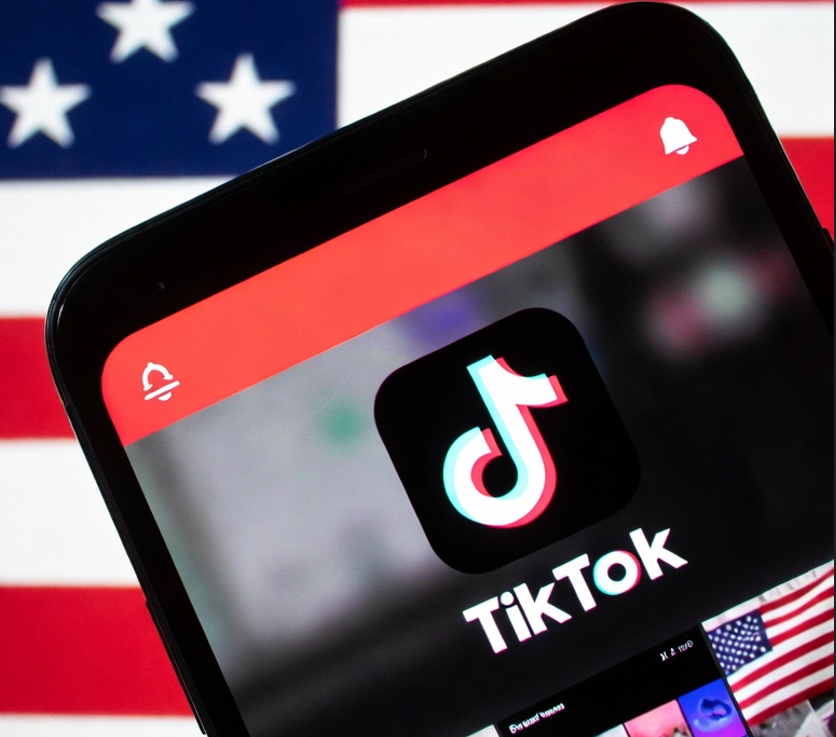
TikTok, the popular short-form video app owned by China’s ByteDance, has finalized an agreement to create a new U.S.-based entity that will operate the platform in the United States under majority American control, a move designed to avert a nationwide ban that had loomed for years.
The deal establishes TikTok USDS Joint Venture LLC, which includes major investors such as Oracle, Silver Lake and UAE-based MGX, each taking a significant stake, while Chinese parent ByteDance retains a minority 19.9% share. Under the agreement, U.S. user data will be stored domestically and overseen by Oracle’s cloud infrastructure with enhanced security and privacy protections.
Adam Presser, former head of TikTok’s U.S. operations and safety teams, was named CEO of the new company, which will be governed by a predominantly American board that also includes global TikTok chief executive Shou Chew.
The deal marks the conclusion of a protracted struggle between TikTok and U.S. authorities who raised concerns about national security risks tied to foreign access to American user data and influence through the platform. It also comes after the U.S. and Chinese governments signed off on the transaction, clearing regulatory hurdles that had delayed the agreement.
National Security Safeguards
Under the terms of the agreement, the new U.S. venture will operate with “defined safeguards that protect national security through comprehensive data protections, algorithm security, content moderation and software assurances for U.S. users,” according to a company statement.
Oracle will host U.S. user data on its secure cloud servers, and third-party audits will be conducted regularly to ensure compliance with cybersecurity protocols. While ByteDance will retain a minority ownership stake, its role in data access and algorithm control will be tightly limited, officials say.
President Donald Trump praised the deal on social media, thanking Chinese leader Xi Jinping for working with U.S. negotiators and approving the transaction. Trump said the agreement will ensure the app’s popularity endures in the U.S. “long into the future.”
Uncertainty Ends for Users and Creators
For millions of Americans — including creators and businesses that rely on TikTok’s reach — the agreement ends years of uncertainty. TikTok has more than 200 million users in the United States, especially among younger demographics, and had faced the possibility of a complete ban if a U.S.-controlled version could not be agreed upon.
The political stakes were high: a 2024 federal law required ByteDance to divest its U.S. assets or face a ban. As the Jan. 2025 deadline approached, TikTok was temporarily removed from app stores and briefly inaccessible in the country. The deal’s completion now resolves that period of disruption and potential economic loss for creators and advertisers.
Background: Why the U.S. Pushed for a Spinoff
National Security Concerns
Concerns about TikTok’s ties to China predate the latest deal by several years. U.S. officials, including then-FBI Director Christopher Wray, warned that the Chinese government could exert influence or gain access to sensitive American user data through TikTok’s algorithm and backend systems — assertions that fueled bipartisan pressure for action in Washington.
Critics also point to risks of algorithmic manipulation, misinformation spread and potential influence operations that could be used for political or security purposes. Although TikTok has rejected claims of undue foreign influence and no confirmed case of Chinese government manipulation has been publicly verified, concerns persisted among lawmakers and national security experts.
Legislative and Legal Battles
In 2024, Congress passed legislation requiring ByteDance to sell TikTok’s U.S. operations or face a ban. President Joe Biden signed the bill into law as part of broader efforts to restrict foreign adversary control of data-sensitive technologies. The law’s divest-or-ban deadline set off intense negotiations among TikTok, U.S. regulators and potential investors.
Former President Trump, who initially supported a ban, later signed executive orders extending compliance deadlines and facilitating negotiations to keep the platform in operation under American control. Those actions provided windows of opportunity for the current deal to materialize.
Algorithm and Influence Concerns
The core of much debate has been TikTok’s recommendation algorithm. This software drives the popular “For You” feed that keeps users highly engaged but has also drawn scrutiny for its opaque design and rapid amplification of content based on user behavior. Some research suggests such algorithmic amplification can spread misleading content and reinforce divisive trends online.
Even as the U.S. government negotiated enforcement and safeguards, TikTok pointed to its transparency reports and moderation policies aimed at addressing misinformation and harmful content. Nevertheless, algorithmic influence remains a flashpoint in broader discussions around social media regulation and platform oversight.
For more news and reports on emerging technologies, including AI, robotics, cybersecurity, blockchain, gaming and the evolving gig economy, visit the home page of The Gignomist.