
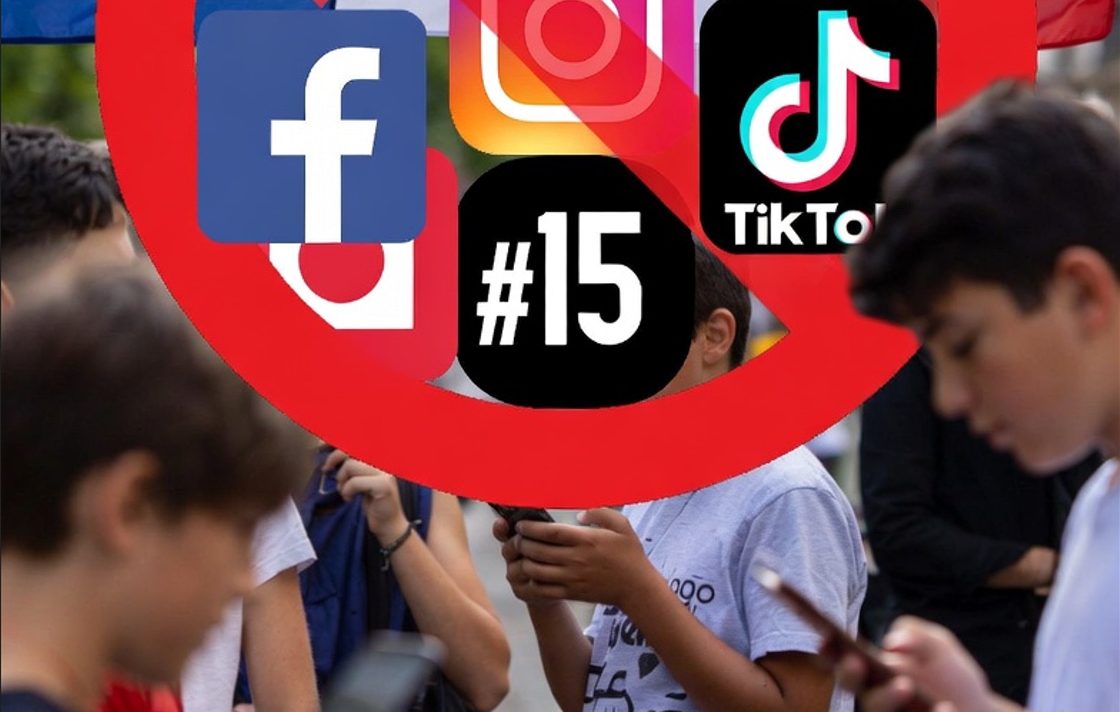
French President Emmanuel Macron is pushing for an accelerated legislative process to ban children under the age of 15 from using social media platforms, aiming to have the measure take effect by September 2026 at the start of the next school year.
In a video released late Saturday by French broadcaster BFM-TV, Macron said he had instructed his government to initiate a fast-track procedure so the proposed law can move swiftly through parliament and be approved by the Senate in time.
“The brains of our children and our teenagers are not for sale,” Macron said in the video. “The emotions of our children and our teenagers are not for sale or to be manipulated. Neither by American platforms, nor by Chinese algorithms.”
Macron’s push comes amid growing concern in France over the impact of smartphones and social media on children’s mental health. France’s health watchdog reports that one in two teenagers spends between two and five hours a day on a smartphone. About 90% of children ages 12 to 17 use smartphones daily to access the internet, with 58% using them primarily for social networks.
A December report by the watchdog warned of harmful effects linked to social media use, including lower self-esteem and greater exposure to content tied to risky behavior such as self-harm, drug use and suicide. Several families in France have filed lawsuits against TikTok, alleging the platform exposed teenagers to dangerous content connected to suicides.
According to The Associated Press, the video message was addressed to lawmaker Laure Miller, who is sponsoring the bill. The proposal is scheduled to be examined during a public session beginning Monday.
“We are banning social media for under-15s, and we are going to ban mobile phones in our high schools,” Macron said. “I believe this is a clear rule — clear for our teenagers, clear for families, clear for teachers — and we are moving forward.”
Momentum builds across Europe
France’s move reflects a broader debate across Europe about how to regulate digital platforms and protect children online. Just days before Macron’s announcement, the British government said it would consider banning younger teenagers from social media as it tightens online safety laws aimed at reducing harmful content and excessive screen time.
European policymakers have increasingly argued that voluntary safeguards by technology companies are insufficient, calling instead for enforceable age limits and stronger oversight of algorithms that amplify harmful material.
Australia’s experience fuels global debate
Outside Europe, Australia has emerged as a key reference point in the debate. After the country enacted a ban on social media use for children under 16, officials said companies revoked access to about 4.7 million accounts identified as belonging to minors. The Australian law sparked intense national debate over privacy, enforcement, child safety and mental health, and has prompted other governments to explore similar measures.
Supporters say the policy has helped reduce exposure to harmful content, while critics argue it places too much responsibility on platforms and risks unintended consequences, including driving children to less regulated corners of the internet.
United States weighs tougher rules
In the United States, federal lawmakers and state governments have proposed a patchwork of measures aimed at protecting minors online, including stricter age verification requirements and limits on data collection. While no nationwide ban exists, pressure has mounted on technology companies to redesign products with children’s well-being in mind.
Several states have passed or proposed laws restricting social media access for minors, though many face legal challenges over free speech and privacy concerns.
Asia takes a regulatory approach
China has already imposed some of the world’s strictest controls on youth screen time, limiting the number of hours minors can spend online or playing video games each week. Other Asian countries, including South Korea and Japan, have focused on digital literacy programs and parental controls rather than outright bans, reflecting differing cultural and legal approaches.
A global test for tech regulation
Macron’s proposal positions France at the forefront of a global push to curb the influence of social media on children. If passed, the law would mark one of the most sweeping restrictions in Europe and could set a precedent for other nations grappling with similar concerns.
As governments worldwide weigh how far to go, France’s fast-track effort underscores a growing consensus among policymakers that protecting children online may require firm legal limits — even as debates continue over enforcement, privacy and the role of technology companies.
For more news and reports on emerging technologies, including AI, robotics, cybersecurity, blockchain, gaming and the evolving gig economy, visit the home page of The Gignomist.