
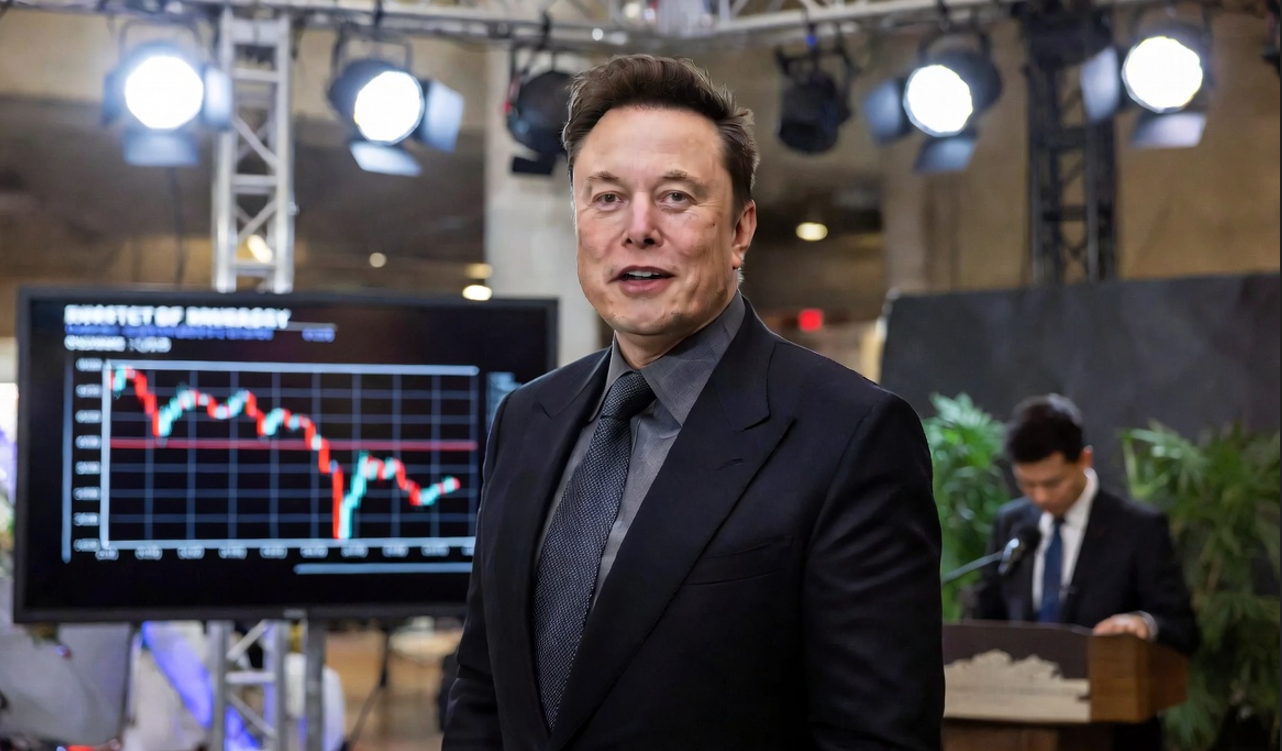
Billionaire entrepreneur Elon Musk has filed a federal lawsuit seeking $134 billion from OpenAI and Microsoft, arguing the companies reaped “wrongful gains” from his early financial and strategic support during OpenAI’s founding.
According to Reuters, In the filing, Musk estimated that OpenAI benefited between $65.5 billion and $109.4 billion from his contributions, while Microsoft benefited between $13.3 billion and $25.1 billion ahead of a trial expected to begin in April.
“Without Elon Musk, there’d be no OpenAI,” Musk’s attorney Steven Molo said in a statement, asserting that the billionaire provided most of the startup’s early seed funding, lent credibility and reputation, and helped recruit talent.
Musk left OpenAI in 2018 and now runs xAI, developer of the rival chatbot Grok. He has accused OpenAI of abandoning its original nonprofit mission and restructuring as a for-profit entity centered around its ChatGPT platform.
OpenAI dismissed Musk’s claim as “unserious” and part of a broader “harassment campaign.” Microsoft did not immediately comment outside regular business hours.
OpenAI and Microsoft Push Back
OpenAI and Microsoft challenged the damages claim in a separate filing Friday, calling Musk’s lawsuit baseless and arguing that the compensation figures presented by Musk’s expert witness are unreliable and should be excluded from trial.
A judge in Oakland ruled earlier this month that a jury will hear the case, which stems in part from allegations that Microsoft aided OpenAI in moving toward a commercial model contrary to the organization’s founding mission.
Musk said in the filing that he contributed roughly $38 million, or about 60% of OpenAI’s early seed funding, and offered strategic guidance and introductions to help the startup gain traction. The filing notes he may also seek punitive damages and potential injunctive relief, though it does not specify what form an injunction could take.
OpenAI and Microsoft have asked the court to limit the testimony of Musk’s expert witness, calling the analysis “made up,” “unverifiable” and “unprecedented,” and warning that it could mislead jurors by portraying an implausible transfer of nonprofit gains to a former donor-turned-competitor.
For more news and reports on emerging technologies, including AI, robotics, cybersecurity, blockchain, gaming and the evolving gig economy, visit the home page of The Gignomist.