

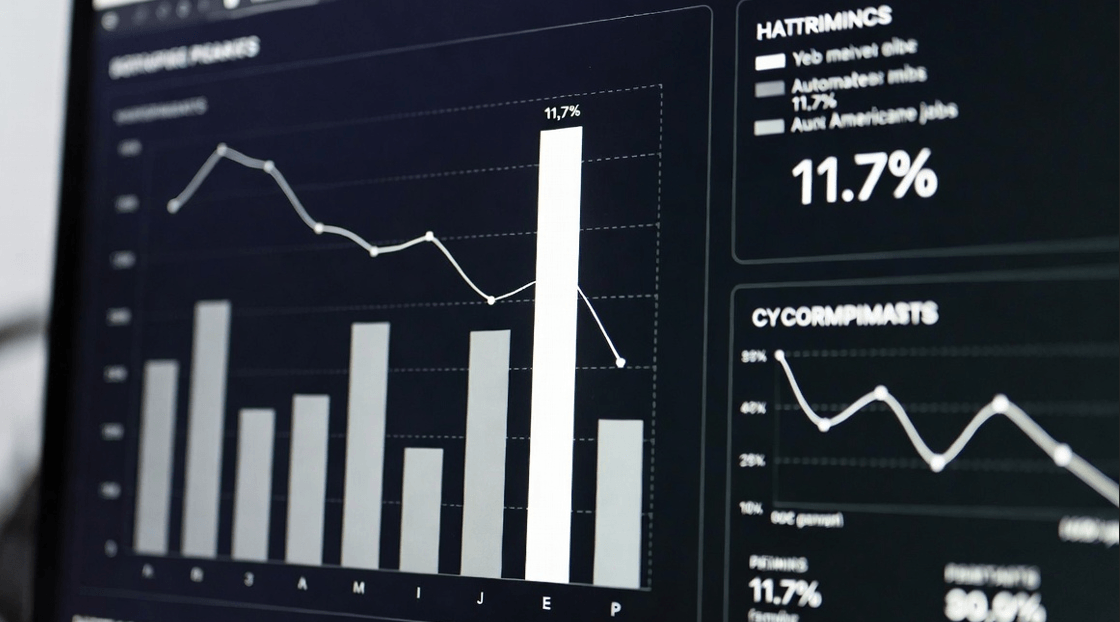
The Massachusetts Institute of Technology released a study Wednesday showing that artificial intelligence can already replace 11.7% of the U.S. labor market, representing roughly $1.2 trillion in wages across finance, health care and professional services.
According to CNBC, the findings are based on the Iceberg Index, a labor simulation tool built by MIT and Oak Ridge National Laboratory to analyze how 151 million workers interact with AI-driven changes and policy scenarios.
Inside the Iceberg Index
The Iceberg Index functions as a digital twin of the U.S. labor market, modeling how AI reshapes tasks, skills and workforce mobility across all 50 states. CNBC stated that the system maps 32,000 skills across 923 occupations in 3,000 counties, identifying where current AI tools can already perform specific job functions. While layoffs and role shifts in computing and IT represent about 2.2% of wage exposure, the study finds that far larger risks lie in routine tasks across human resources, logistics, finance and office administration.
Not a Prediction Engine, but a Planning Tool
Researchers stress that the index is not designed to forecast exact job losses. Instead, it provides policymakers with a skills-centered snapshot of what AI can currently accomplish. The platform allows officials to test what-if scenarios before committing to billion-dollar reskilling and training initiatives. Tennessee, North Carolina and Utah have already partnered with MIT to validate the model and apply it to policy planning.
States Begin Adopting the Model
Tennessee became the first to incorporate the Iceberg Index into its AI Workforce Action Plan, and Utah is preparing a similar report. North Carolina lawmakers say the tool’s ability to display county-level data helps them identify which skills face the highest risk of automation and how local economies could shift. As states form AI task forces, officials say the index fills critical gaps left by traditional labor forecasting methods.
AI Impact Extends Far Beyond Tech Hubs
The study challenges the idea that AI disruptions will remain concentrated in coastal technology centers. Simulations show exposed occupations across all 50 states, including inland and rural regions typically overlooked in national AI discussions. To support policymakers, the Iceberg platform includes an interactive environment where states can adjust workforce budgets, tweak training programs and test how different rates of AI adoption might influence local employment or GDP.
A Sandbox for Policymakers
Researchers describe the Iceberg Index as an evolving tool designed to help states prepare for AI’s expanding influence. Tennessee officials reviewing the data note that industries such as health care, nuclear energy, manufacturing and transportation still rely heavily on physical labor, offering some insulation from digital automation. The central question, they say, is how robotics and AI assistants can strengthen—not weaken—these sectors.
As states navigate overlapping AI initiatives, Iceberg’s simulations give leaders a controlled environment to examine potential disruptions before they occur.
For more similar news and reports go to the home page of The Gignomist