

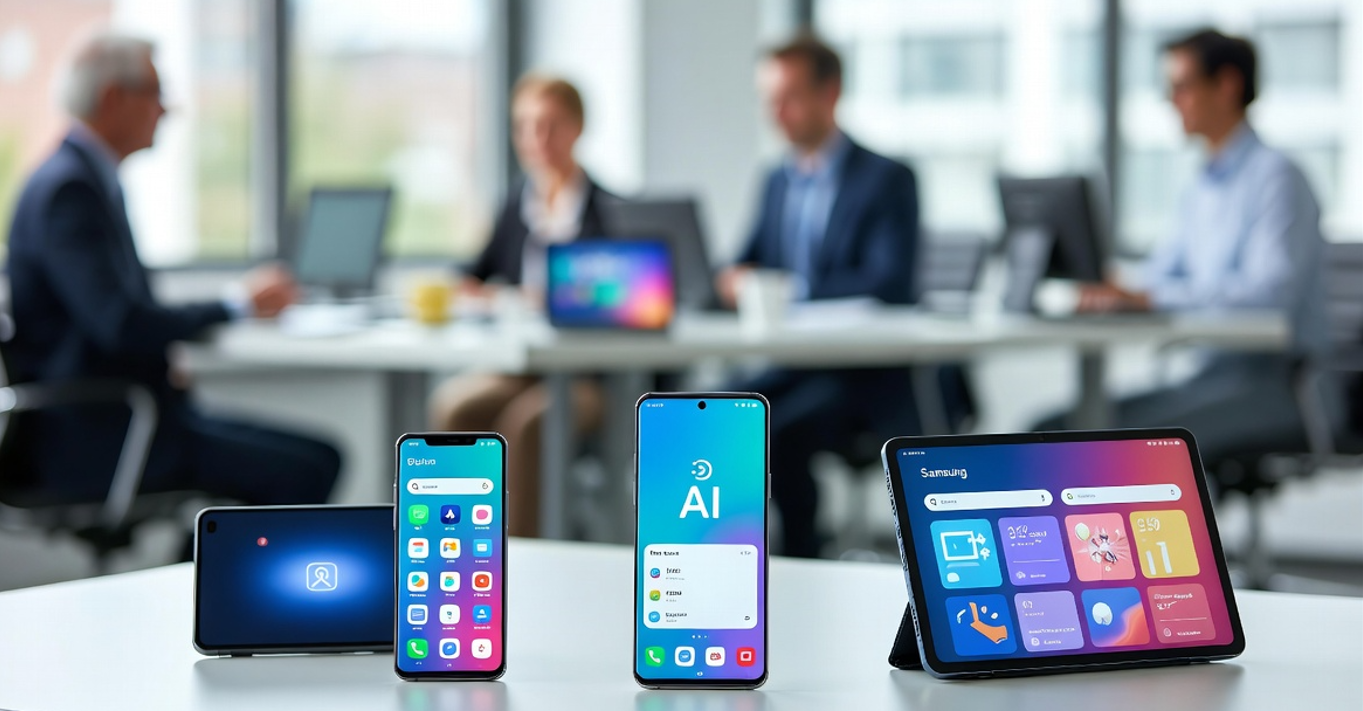
Samsung Electronics plans to double the number of its mobile devices equipped with artificial intelligence features to about 800 million this year, expanding the reach of its Galaxy AI platform as competition intensifies among global technology companies.
The South Korean electronics giant had deployed Galaxy AI capabilities across roughly 400 million smartphones and tablets by last year. The features are largely powered by Google’s Gemini AI model, alongside Samsung’s own Bixby system, and are being rolled out more broadly across the company’s product lineup.
The expansion is expected to strengthen Google’s position in the consumer AI market as it competes with rivals such as OpenAI, while also supporting Samsung’s efforts to regain leadership in the global smartphone market from Apple and counter growing competition from Chinese manufacturers.
Samsung aims to integrate AI across a wide range of consumer products, including mobile phones, televisions and home appliances, offering unified AI services designed to differentiate its ecosystem. Market researchers say Apple was the world’s top smartphone maker last year, but Samsung continues to emphasize AI features as a competitive advantage.
The company’s push comes amid rapid developments in generative AI. Google recently released an updated version of its Gemini model, while OpenAI accelerated development of its latest systems, underscoring the pace of innovation across the sector.
Samsung has reported a sharp rise in consumer awareness of Galaxy AI, with internal surveys showing recognition levels rising significantly over the past year. AI-powered tools such as search, image editing, productivity features, translation and content summaries are among the most frequently used functions on mobile devices.
Samsung shares rose sharply this week as investors anticipated a jump in fourth-quarter profits, driven largely by higher demand for semiconductors amid a global memory chip shortage.
While the shortage has benefited Samsung’s chip business, it has placed pressure on margins in its smartphone and consumer electronics divisions. The company has warned that rising component costs could have an impact on pricing, though it is working with partners to limit long-term effects.
Industry analysts expect the global smartphone market to contract next year as higher component prices weigh on demand. Samsung also acknowledged that growth in foldable phones has been slower than initially expected, citing engineering challenges and limited software adoption. Despite this, the company continues to dominate the foldable segment, though competition from Chinese manufacturers and an anticipated foldable device from Apple is expected to intensify.
For more news and reports on emerging technologies, including AI, robotics, cybersecurity, blockchain, gaming and the evolving gig economy, visit the home page of The Gignomist.