

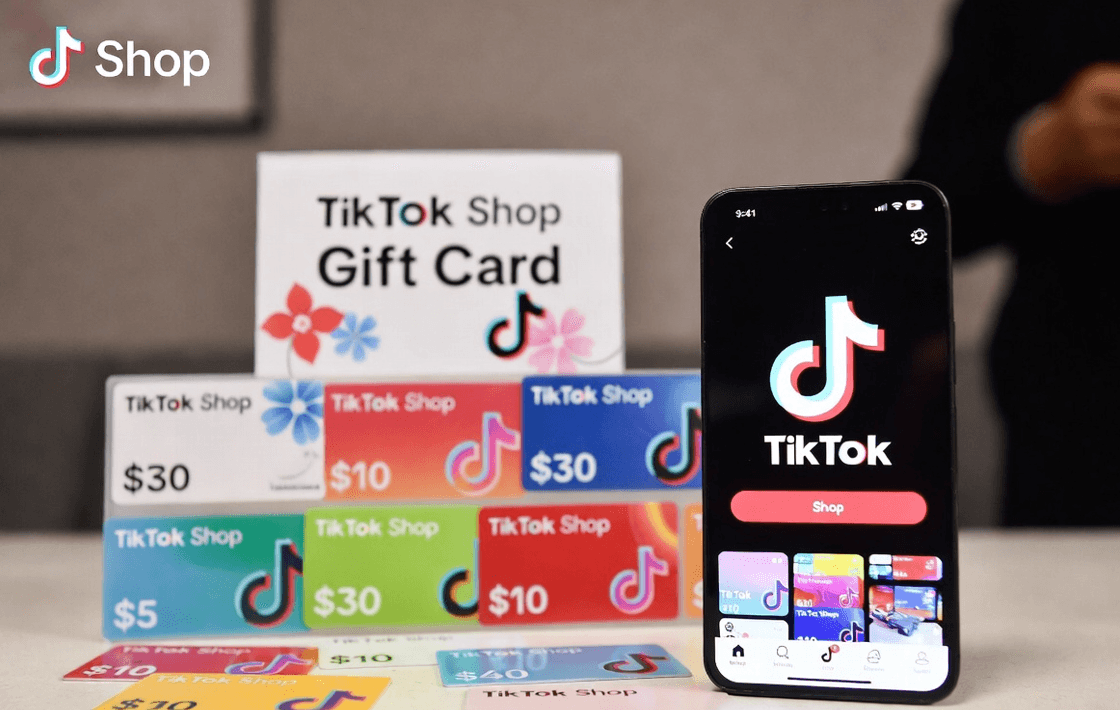
TikTok Shop has launched a new digital gift card feature, enabling users to purchase and send customizable credits that can be used to buy from the platform’s vast inventory of products.
The rollout comes at a critical time during the holiday shopping season, when consumer spending on e-commerce reaches peak levels. This addition allows TikTok Shop to compete more directly with established players like Amazon and eBay, which have long offered similar gifting options.
Users can load gift cards with amounts ranging from $10 to $500. The cards stand out due to their personalization options, including a variety of animated designs tailored for occasions such as birthdays, weddings, thank-yous, and holidays.
TechCrunch stated that the Gift cards are sent via email, and recipients need a TikTok account to redeem them. Upon redemption, the value is added immediately to the recipient’s TikTok Balance, ready for spending on the app. Recipients can also respond with a thank-you message or reciprocate by sending a gift card back.
Currently, the feature is available only in the United States. According to a TikTok spokesperson, the company intends to enhance personalization further. By early 2026, users will be able to attach recorded or uploaded video messages to gift cards, along with an interactive unboxing experience that captures the recipient’s real-time reaction, though specifics remain undisclosed.
This launch follows a strong performance for TikTok Shop during the recent Black Friday and Cyber Monday period. Over those four days, the platform recorded more than $500 million in U.S. sales, measured by gross merchandise value. The number of U.S. shoppers making purchases increased by nearly 50 percent compared to the previous year, with livestream sales surging 84 percent.
TikTok Shop, which debuted in the U.S. in September 2023, has experienced rapid growth. Projections estimate it will generate around $15.8 billion in U.S. sales for 2025, contributing to a broader social commerce sector expected to reach $87 billion nationwide. Globally, the platform’s gross merchandise value has shown substantial increases, with first-half 2025 figures alone approaching $26 billion in some reports.
The platform has also ventured into new categories to broaden its appeal. Recently, TikTok Shop expanded into pre-owned luxury goods, featuring authenticated items from brands like Hermès, Chanel, Rolex, and Cartier. This move targets younger consumers interested in sustainable and resale options, aligning with trends in the circular economy. Secondhand luxury resellers have reported significant sales through the app, including high-value handbags and watches.
Digital gift cards fit into evolving holiday shopping patterns. In 2025, overall U.S. retail sales during the holiday period are projected to grow modestly, around 3 percent, amid economic pressures like inflation. However, e-commerce continues to outpace in-store growth, with online sales expected to rise nearly 8 percent. Gift cards remain popular, allowing recipients flexibility amid rising prices. Surveys indicate that over half of consumers plan to give gift cards to family or friends, with digital options gaining favor for their convenience and instant delivery.
Social commerce platforms like TikTok Shop benefit from integrated discovery and purchasing, where users encounter products through viral videos and livestreams. This seamless experience has driven adoption, particularly among Gen Z and millennials, who increasingly start product searches on social apps.
Despite these advances, TikTok Shop operates under uncertainty in the U.S. due to national security concerns over its Chinese parent company, ByteDance. A law requiring divestiture or a ban has faced multiple extensions. As of late 2025, President Donald Trump extended the enforcement deadline to January 23, 2026, providing time for potential negotiations or a sale to U.S. investors.
The digital gift card feature underscores TikTok Shop’s ambition to become a comprehensive e-commerce destination. By combining social engagement with practical gifting tools, the platform aims to capture more holiday spending and build long-term user loyalty.
Industry analysts note that social commerce is transforming retail, with platforms leveraging short-form content and live interactions to influence purchases. TikTok’s algorithm-driven recommendations and creator partnerships have proven effective in driving impulse buys and planned gifts alike.
As competition intensifies, features like personalized digital gift cards could help differentiate TikTok Shop. Upcoming enhancements, such as video messages, may further boost engagement by adding an emotional layer to gifting.
Overall, the launch reflects broader trends in digital retail: convenience, personalization, and integration of social elements into shopping. For consumers, it offers a fun, app-native way to gift during the holidays. For TikTok, it represents another step toward establishing itself as a major e-commerce contender.
For more news and reports on emerging technologies, including AI, robotics, cybersecurity, blockchain, gaming and the evolving gig economy, visit the home page of The Gignomist.