
The fast-growing generative video startup Higgsfield AI has raised an $80 million Series A extension, lifting its total Series A financing to more than $130 million and valuing the company at over $1.3 billion.
Chief Executive Officer Alex Mashrabov said the company has seen rapid commercial adoption of its platform. Higgsfield reported an annual revenue run rate of $200 million less than nine months after launch, doubling from $100 million in roughly two months. Since April 2025, the platform has attracted more than 15 million users and now generates about 4.5 million videos per day, primarily for paid commercial use.
Mashrabov said the growth reflects a shift in how marketing videos are produced. “Traditional video production wasn’t built for the pace modern marketing demands,” he said. “We built Higgsfield so video can be produced like software — fast iteration, tight creative control and repeatable output.”
Higgsfield initially launched as a tool for creators experimenting with AI-driven storytelling, including short-form dramas and cinematic social content. Over the past year, usage has shifted toward brands, agencies and performance marketers. The company said about 85% of current usage comes from social media marketers, and roughly 80% of that activity involves commercial work rather than personal or experimental projects.
Like many competitors in the rapidly expanding generative video market, Higgsfield enables teams to ideate, storyboard, animate, edit and publish video within a single system. Rather than using AI video as a supplementary tool, many customers are deploying it as an end-to-end production pipeline.
“There is a new class of marketers treating generative video as infrastructure,” Mashrabov said. “They’re running everything inside one system, from concept to publishing.”
One example is Higgsfield’s advertising workflows, which allow a product page to be automatically converted into multiple on-brand video variations within minutes. The company said several customers participating in its marketing automation beta are already spending more than $200,000 annually on the platform.
Mashrabov previously led generative AI initiatives at Snap and earlier founded Diffuse, a consumer app for personalized AI video clips. Lessons from Diffuse, including challenges around consistency and cost, helped shape Higgsfield’s technical approach.
Higgsfield develops its own generative video and image models while integrating third-party models from companies including OpenAI, Google, Alibaba, ByteDance and Kuaishou. The platform allows users to select different models for specific creative tasks without rebuilding workflows.
From its inception, Higgsfield emphasized camera motion and scene structure, areas where AI-generated video has struggled to meet professional standards. The platform includes cinematic controls such as dolly shots, overhead sweeps and body-mounted camera effects designed to remain consistent across sequences.
Jeff Herbst, a Higgsfield board member and former corporate development head at Nvidia, said usage patterns suggest the company has moved beyond pilot programs into daily enterprise production.
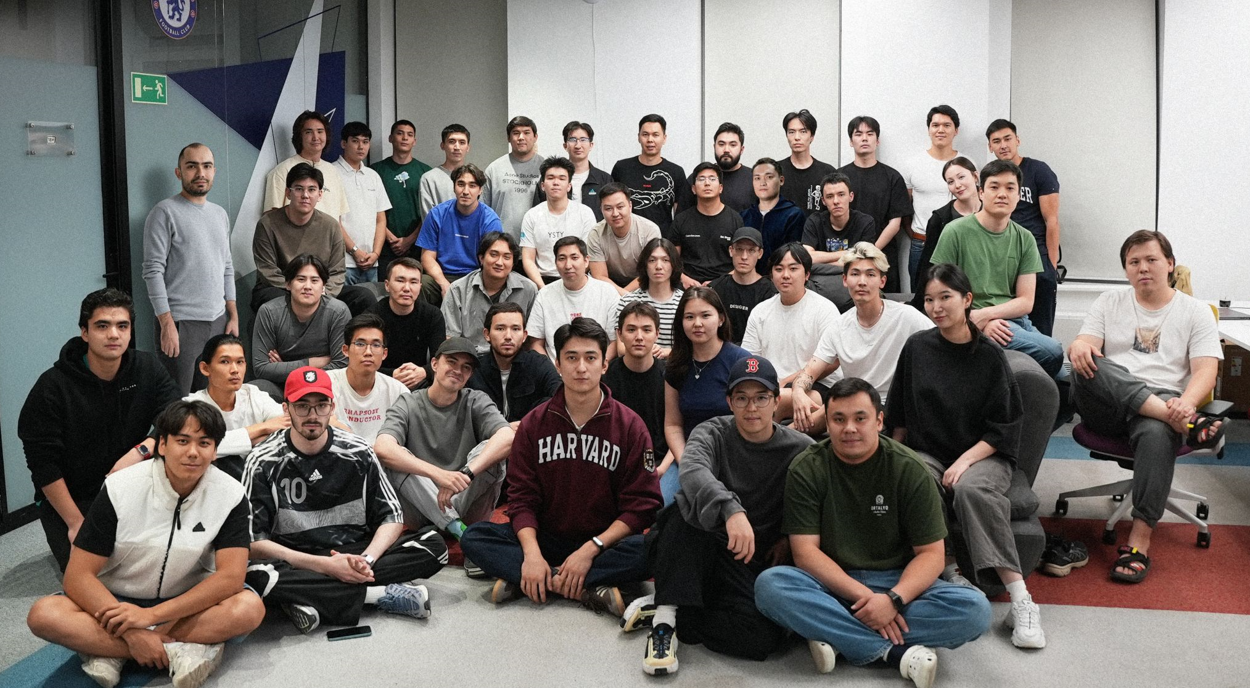
Higgsfield employs about 70 people, up from fewer than 15 a year ago, and is expanding its presence in Kazakhstan, San Francisco and Los Angeles as demand grows across advertising, media and entertainment.
For more news and reports on emerging technologies, including AI, robotics, cybersecurity, blockchain, gaming and the evolving gig economy, visit the home page of The Gignomist.