
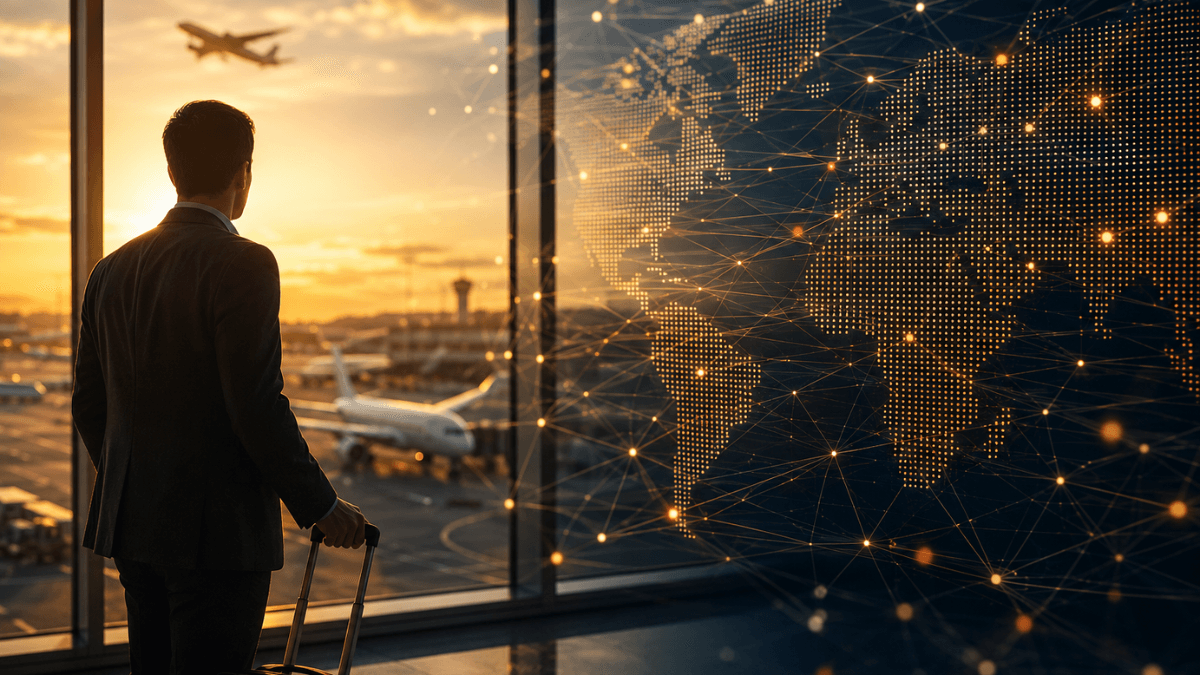
Previously undisclosed government records have renewed debate over how U.S. federal agencies obtain commercially available personal information after documents indicated the U.S. Securities and Exchange Commission (SEC) purchased access to a large commercial airline booking database used to support investigations.The SEC airline travel data disclosures have sparked widespread concerns about government access to personal travel information.
The records, obtained through a public records request, indicate the financial regulator subscribed to a commercial travel intelligence service that maintained information on more than one billion airline ticket transactions. The database reportedly included passenger names, travel itineraries, flight details, and payment-related information collected through airline booking systems.
Privacy advocates say the SEC airline travel data disclosures highlight growing concerns over what has become known as the “data broker loophole,” where government agencies purchase commercially available consumer data instead of requesting the same information directly through legal processes such as subpoenas or search warrants.
Commercial Travel Database Supported Investigative Work
According to the released documents, the SEC subscribed to a travel intelligence platform operated by Airlines Reporting Corporation (ARC), an airline settlement company jointly owned by several major U.S. airlines.The SEC airline travel data service reportedly provided investigators with access to extensive airline booking records.
The platform reportedly aggregated booking information from travel agencies and online reservation services, allowing authorized subscribers to search historical travel records and receive notifications when monitored individuals booked new airline travel.
The documents suggest investigators could receive automated alerts identifying recent travel activity associated with specific individuals under investigation through the SEC airline travel data platform.
The SEC has not publicly stated how frequently the system was used or how many investigations relied on the service.
Privacy Questions Extend Beyond Financial Regulation
The SEC airline travel data disclosures have prompted discussion far beyond securities enforcement, raising broader concerns about government access to commercially available personal information.
Although the SEC’s mission focuses primarily on protecting investors, investigating securities fraud, insider trading, and market manipulation, privacy advocates argue that access to extensive travel records raises broader civil liberties questions.
Commercial airline booking information can reveal travel patterns, business meetings, conference attendance, international movements, and other personal details that may collectively provide a detailed picture of an individual’s activities.
Critics argue that purchasing such information from commercial vendors may allow agencies to obtain data that otherwise might require judicial oversight if requested directly from airlines.
Supporters of SEC airline travel data purchases contend that agencies are obtaining information lawfully available within the marketplace rather than conducting unauthorized surveillance.
Data Brokers Face Increasing Scrutiny
The controversy surrounding SEC airline travel data reflects a larger policy debate surrounding commercial data brokers.
Many organizations collect and aggregate consumer information generated through everyday activities, including travel reservations, online shopping, financial transactions, mobile applications, and advertising technology.
These companies often package anonymized or identifiable datasets for commercial customers, researchers, financial institutions, and, in some cases, government agencies.
Over the past several years, lawmakers from both major political parties have questioned whether existing privacy laws adequately address government purchases of commercially available personal information.
Several legislative proposals have sought to require warrants or stronger judicial oversight before federal agencies obtain certain categories of commercially available location, travel, or communications data,including SEC airline travel data.
Travel Intelligence Programs Under Pressure
The travel intelligence service referenced in the documents reportedly originated following the September 11 terrorist attacks, when government agencies expanded information-sharing initiatives intended to improve national security and criminal investigations.
Supporters argue that SEC airline travel data systems have contributed to investigations involving terrorism financing, organized crime, fraud, and money laundering.
However, increasing concern from privacy organizations and members of Congress has resulted in greater examination of how broadly these databases have been used and which agencies received access.
The reported discontinuation of the commercial travel intelligence offering in 2025 followed mounting political pressure regarding government purchases of personal travel information.
Implications for Digital Privacy
The SEC airline travel data disclosure underscores how modern investigations increasingly depend on commercially available digital information rather than traditional surveillance methods alone.
Travel reservations, online purchases, payment records, mobile devices, and internet services all generate extensive data trails that may become accessible through commercial vendors, as demonstrated by the SEC airline travel data case.
Privacy experts argue that individuals often remain unaware of how broadly their information may be shared after completing ordinary transactions such as booking flights or hotel accommodations.
As regulators worldwide continue developing new privacy legislation, commercial data marketplaces are expected to receive increasing attention from policymakers.
Balancing Investigations and Civil Liberties
The debate surrounding SEC airline travel data reflects a broader challenge facing governments and technology companies alike: balancing effective law enforcement with individual privacy rights.
Financial regulators rely on detailed records to investigate sophisticated fraud, insider trading, and international financial crimes. At the same time, expanding access to commercially collected personal information raises important questions about transparency, oversight, and public trust.
As governments increasingly rely on commercial data providers, policymakers may face renewed calls to modernize privacy laws governing how agencies obtain consumer information from third-party brokers.
The newly disclosed SEC airline travel data records are likely to intensify discussions about whether existing legal frameworks adequately protect personal travel information in an era where vast amounts of consumer data can be purchased through commercial marketplaces rather than requested directly from the individuals or companies that originally collected it.
Like The Gignomist’s coverage? Subscribe to our free newsletter for the latest technology news, AI breakthroughs, startup updates, cybersecurity insights, blockchain developments, gaming trends, and expert analysis from across the global innovation ecosystem.