

The global gig economy is estimated to reach hundreds of millions of people across the globe by 2026. However, the ever-changing workforce seems to be at the mercy of the evolving legal environment rather than the conventional employment framework. According to Forbes Councils’ analysis in 2025, “from observation to intervention” is the new reality for regulators across the globe, who are “introducing landmark laws on employment status, data transparency, and worker protections that could revolutionize the very fabric of the industry.”
These laws are not merely evolutionary changes in the employment sphere; they are revolutionary in their economic, social, and technological implications. Digital labor has emerged as a new dimension of the workforce, and the implications of the regulations in 2026 are of critical importance to anyone who is part of the gig economy.
What Is the Gig Economy?
The term “gig economy” is used to describe a labor market in which individuals engage in a series of short-term contracts or freelance work, as opposed to traditional employment. A gig worker can be an independent contractor, completing work through digital platforms such as a ride-sharing service or freelancing website, or a specialist completing project-based work for a variety of clients. The main advantage is the flexibility and independence, and access to a global marketplace. But this flexibility has traditionally come at a cost, in that workers do not have access to a variety of protections that traditional employees do, such as a minimum wage or social security. As the platform grows and individuals increasingly rely on gig work for their primary source of income, policymakers around the world are re-examining how to classify and protect this growing segment of the workforce.
Why Regulation Is Evolving
Gig economy has been in a gray area of regulation for years. Most of the workers were considered independent contractors by these platforms, and this reduced costs for platforms but also meant workers were not protected by a safety net. However, governments have been quick to respond to these issues by creating a framework that tries to address issues of legal status, fair practice, transparency, and protection.
While these regulations are a response to perceived issues, they are also a strategic move by governments. In a rapidly changing economy, labor regulations, taxation, and digital regulation are of critical importance for economic stability and innovation.
Major Policy Changes Globally in 2026
European Union
The EU’s Platform Work directive includes a requirement for a rebuttable presumption of employment status for platform workers, which means that if a platform controls working conditions, the worker could potentially be treated as an employee. Countries will need to implement this directive by the end of 2026.
The directive requires companies to report on the impact of algorithms on hiring, task allocation, and payment, among other areas. This is a significant step towards algorithmic accountability, which could set a new standard worldwide.
United States
For instance, in the United States, regulators have become more focused on worker classification. New rules have been put in place in an attempt to further narrow down the definition of an independent contractor, which will likely cause more gig workers to be classified as employees. Additionally, tax reporting and thresholds have been modified.
Australia
Australia has also adopted an “employee-like” framework, whereby “gig” workers, especially delivery personnel, are accorded some of the benefits of formal employment, such as minimum wage and insurance requirements, without necessarily becoming formal employees. Such models provide a framework for striking a balance between flexibility and fairness, which other OECD countries might emulate.
India
India has introduced new labor codes that include formal definitions of gig and platform work, as well as expansions of social security, wage, and compliance simplification. Drafts of social security rules include minimum engagement requirements for workers, and changes to provident funds and insurance programs aim to extend these benefits to millions of workers.
Asia-Pacific Innovations
Singapore’s Platform Workers Act requires employers to contribute to social security schemes like CPF. Similarly, the Malaysian government’s Gig Workers Act provides for legal recognition, negotiation rights, and dispute resolution mechanisms. It appears the region is developing the innovation of gig policy.
Other Regions
Incremental reforms in Latin America and Canada are increasing protections, social coverage, and worker rights, indicating a global phenomenon of labour policy evolution in the gig economy.
Core 2026 Policy Themes
The global gig economy is entering a new phase in 2026 as governments, labor organizations, and technology platforms push for stronger protections, transparency, and accountability. Policymakers across major economies are moving beyond basic freelance regulations and focusing on long-term sustainability for independent workers and digital labor marketplaces. These policy shifts are expected to influence millions of freelancers, platform workers, startups, and multinational gig platforms worldwide.
As the industry evolves, regulators are attempting to balance innovation with worker rights by introducing frameworks related to classification, wages, social protection, algorithmic transparency, and taxation. The reforms are reshaping how digital work platforms operate and how independent professionals engage with global opportunities. Businesses relying on flexible workforces must now adapt to stricter compliance environments and changing employment standards.
Worker Classification & Misclassification Reform
One of the most significant regulatory developments in 2026 is the global push to redefine worker classification standards in the gig economy. Governments are increasingly challenging the long-standing model that categorizes platform workers as independent contractors without employment protections. Regulators argue that when platforms exercise substantial control over schedules, pricing, ratings, or task allocation, workers may effectively function as employees rather than freelancers.
Countries in Europe, North America, and parts of Asia are introducing laws that presume an employment relationship unless platforms can prove genuine independence. This shift is designed to reduce worker exploitation, prevent misclassification, and ensure access to labor rights such as paid leave, health benefits, overtime protections, and collective bargaining opportunities. The reforms are creating operational and financial challenges for platforms that rely heavily on contractor-based business models.
For gig workers, these changes may provide stronger legal protections and income stability, but they could also reduce flexibility in certain sectors. Meanwhile, companies must reassess contracts, platform structures, and workforce management systems to remain compliant with evolving labor laws across different jurisdictions.
Social Protections & Minimum Standards
Another key focus of 2026 regulations is expanding social protections and minimum labor standards for gig workers and freelancers. Policymakers are increasingly recognizing that millions of platform-based workers lack access to traditional employment benefits despite depending on gig work as their primary source of income. As a result, governments are designing frameworks that guarantee baseline protections without necessarily eliminating flexible work arrangements.
Emerging regulations are introducing requirements related to minimum earnings, healthcare contributions, pension schemes, occupational safety, insurance coverage, and paid leave mechanisms. Several countries are also exploring portable benefits systems that allow workers to retain social protections across multiple platforms and freelance engagements. These efforts aim to create a more secure and sustainable digital workforce while reducing economic vulnerability among independent workers.
The push for minimum standards is also influencing investor expectations and corporate responsibility practices within the gig economy sector. Platforms that proactively adopt worker-friendly policies may gain reputational advantages, while those resisting reforms could face regulatory penalties, lawsuits, and public criticism.
Algorithmic Transparency & Data Governance
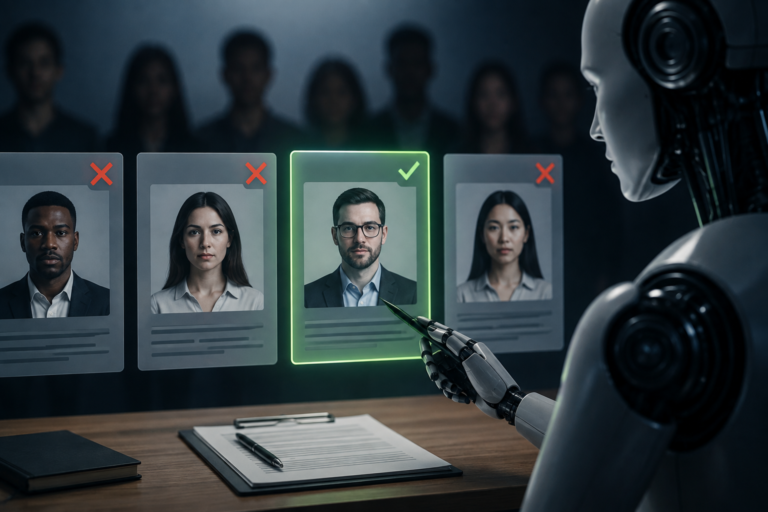
As artificial intelligence and automation increasingly shape platform operations, regulators in 2026 are paying closer attention to algorithmic transparency and digital governance. Gig platforms often use algorithms to determine worker visibility, pricing, assignments, customer ratings, performance evaluations, and account suspensions. However, many workers have little understanding of how these automated systems function or influence their income opportunities.
New regulations are requiring platforms to provide greater transparency regarding algorithmic decision-making processes and ensure that workers can challenge unfair automated actions. Governments are also emphasizing the importance of human oversight in cases involving suspensions, deactivations, or disciplinary measures. These policies aim to reduce bias, discrimination, and opaque decision-making practices that may negatively affect freelancers and gig workers.
Data governance is becoming another major concern as platforms collect massive amounts of personal and behavioral data. Regulatory frameworks are introducing stricter rules related to data privacy, storage, consent, portability, and cybersecurity. Companies operating internationally must now navigate increasingly complex compliance requirements related to worker data protection and digital rights management.
Tax, Reporting & Compliance Systems
Governments worldwide are strengthening tax and reporting regulations in 2026 to improve transparency and accountability within the gig economy. Authorities are concerned about underreported freelance income, cross-border payment complexities, and the rapid expansion of informal digital work. As a result, new compliance systems are being introduced for both platforms and independent contractors operating in online marketplaces.
Many countries now require gig platforms to automatically report worker earnings to tax authorities, making income tracking more standardized and reducing opportunities for tax evasion. Digital payment systems, invoicing requirements, and contractor verification procedures are also becoming more sophisticated. Some jurisdictions are implementing mandatory tax withholding mechanisms or requiring platforms to contribute toward social insurance programs on behalf of workers.
For freelancers and gig workers, these changes increase the importance of financial recordkeeping, tax planning, and regulatory awareness. Businesses and platforms must invest in compliance infrastructure, legal advisory systems, and secure financial reporting technologies to avoid penalties and maintain operational legitimacy in a rapidly evolving regulatory landscape.
Impact on Stakeholders
Workers
The changes in policy seek to improve job security, benefits, and earnings stability. Nevertheless, some workers are concerned that too stringent policies could mean a reduction in gigs.
Platforms
Platforms will have to spend on compliance infrastructure, modify contracts, and improve transparency. This will add to operational expenses but will create trust and sustainability.
Businesses
For businesses that tap into gig talent, there is a need for compliance, especially for cross-border engagements. This could add to hiring expenses but will lead to better outcomes for workers.
Governments
Innovative regulation is a sign of a broader trend toward formalizing digital labor markets, including taxation, labor, and technology governance.
Challenges & Criticisms
The debate about flexibility and security will undoubtedly continue. Too rigid an approach may stifle the development of platforms or drive workers into the black market. There are arguments for flexible security provisions that take into account the very different nature of the gig economy compared to traditional employment relationships.
Future Outlook: 2026 and Beyond
Looking ahead to after 2026, regulatory harmonization could potentially become an issue, particularly in areas such as remote workforce, taxing digital nomads, and shared social benefits for gig workers. AI and compliance technologies will certainly be at the heart of these processes
FAQs
1. What major gig economy policy changes are coming in 2026?
Answer: By 2026, reforms like the EU Platform Work Directive, U.S. contractor definition updates, and Australia’s “employee-like” protections are reshaping worker classification and benefits.
2. Will gig workers be classified as employees?
Answer: In many jurisdictions, presumption of employment will increase, but some models (e.g., Australia, Singapore) create hybrid statuses preserving flexibility.
3. How do algorithmic transparency rules affect gig platforms?
Answer: Platforms may need to disclose how automated systems influence work assignments, pay decisions, and disciplinary actions.
4. What social protections can gig workers expect?
Answer: Expanding benefits include contributions to retirement, healthcare, accident insurance, and social security in some countries.
5. How should businesses prepare for these regulatory changes?
Answer: Companies should upgrade compliance systems, review contracts, track worker statuses, and align operations with emerging labour standards.