

Artificial intelligence is creating new jobs and reshaping work rather than triggering widespread layoffs, according to PwC Global Chairman Mohamed Kande, who challenged one of the most common narratives surrounding AI adoption.
Speaking in an interview with CNBC during the VivaTech conference in Paris, Kande said companies implementing AI at scale are expanding their workforces as they invest in AI deployment, governance, data management, product development and client services.
“The companies moving fastest on AI are increasing output, redesigning jobs and creating new opportunities instead of simply reducing headcount,” Kande said.
His comments contrast with growing concerns that AI will eliminate large numbers of white-collar jobs. Instead, Kande argued that AI is augmenting employees’ capabilities by automating routine tasks while making human skills such as judgment, collaboration, emotional intelligence and adaptability increasingly valuable.
PwC’s 2026 AI Jobs Barometer supports that assessment, finding that companies with the highest exposure to AI recorded stronger productivity, wage growth and workforce expansion than organizations with lower levels of AI adoption.
The report also found that AI is generating demand for new roles in implementation, governance, data management and AI product development, reflecting a shift in workforce needs rather than widespread job replacement.
However, the report notes that the labor market is evolving rapidly. Entry-level positions increasingly require more advanced skills as AI assumes routine tasks, raising expectations for junior employees.
Kande acknowledged that AI will continue to reshape the labor market but said the larger trend is job redesign rather than workforce reduction. Businesses may require fewer employees to perform repetitive work, he said, but more workers capable of using AI to deliver greater value.
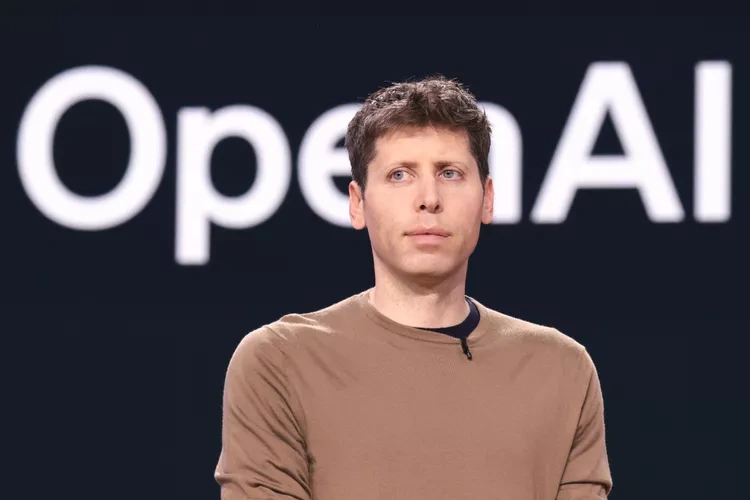
His views align with comments from several technology leaders at VivaTech and other recent interviews. Amazon founder Jeff Bezos has suggested AI could contribute to labor shortages by increasing demand for skilled workers, while OpenAI CEO Sam Altman said companies adopting AI most aggressively are also among the fastest-growing employers. Microsoft CEO Satya Nadella has similarly argued that AI should enhance human productivity across industries rather than concentrate economic gains in a handful of AI companies.
As organizations accelerate AI adoption, PwC’s findings suggest the technology is transforming the nature of work by increasing productivity, creating new career opportunities and placing greater emphasis on uniquely human skills.
For more news, reports and insights on emerging technologies, including AI, robotics, cybersecurity, blockchain, gaming and the evolving gig economy, visit the home page of The Gignomist.